
Imbono and University of Cape Town Partner to Advance Future-Ready Infrastructure in Sub-Saharan Africa
IInfrastructure across Sub-Saharan Africa operates in some of the world’s most complex environments. Economic conditions can shift quickly, climate and environmental pressures are increasing, and infrastructure often has to perform reliably despite constraints on finance, capacity and operations.
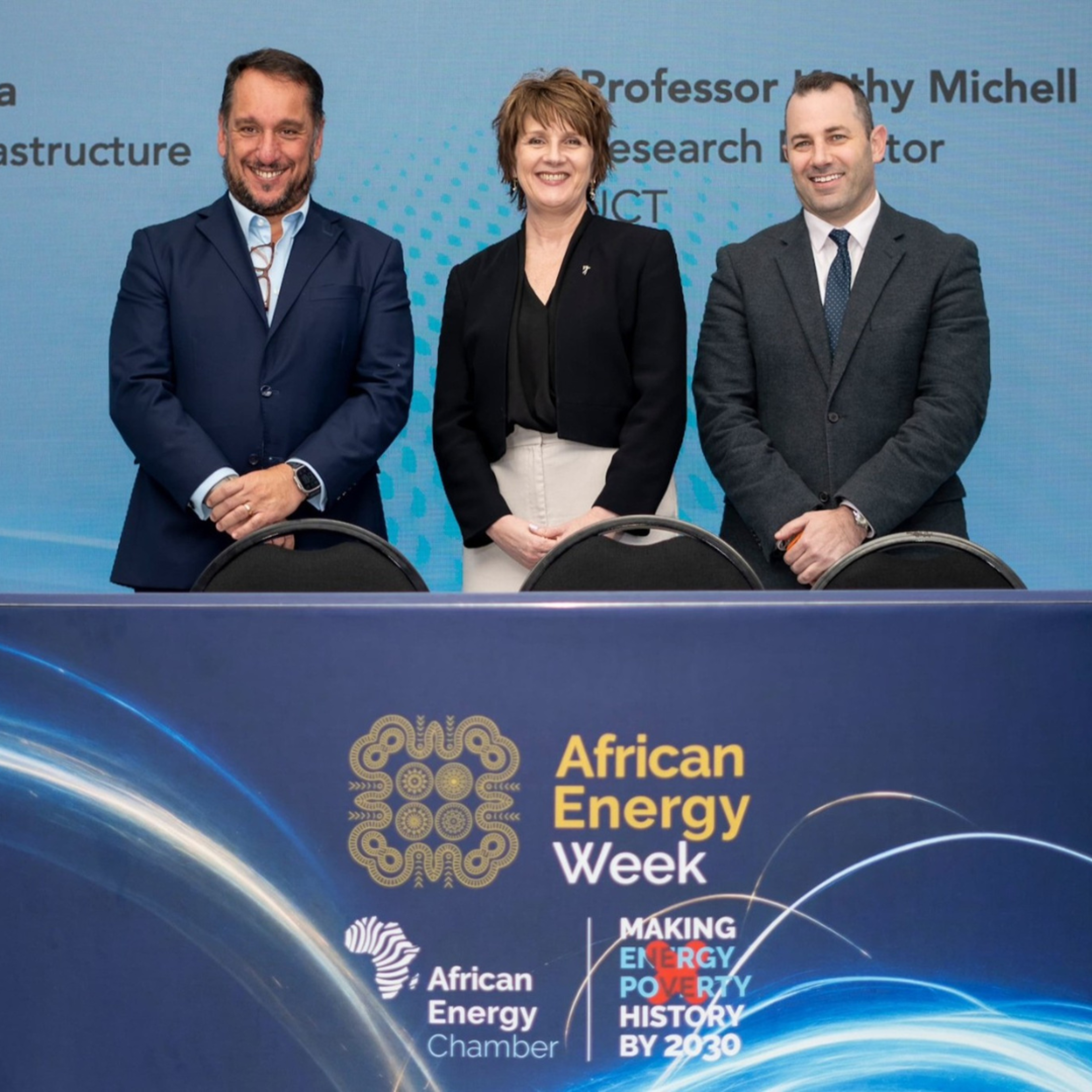
Understanding how infrastructure responds to these pressures — and what can be done to make it more resilient — is the focus of a new three-year partnership between Imbono, the University of Cape Town (UCT) and Abu Dhabi University.
The scale of the need is significant. An estimated US$181bn to US$221bn is required annually across Africa just to meet current infrastructure demand, while only about 27% of African roads are paved and more than 600 million people lack access to electricity. The partnership aims to help tackle the US$10.2 to US$11.4 billion needed each year to recover infrastructure losses, supporting more informed, long-term investment decisions across the region.
The partnership will bring together UCT’s academic research capabilities and Imbono’s experience investing in, delivering and operating infrastructure across emerging markets. Together, the organisations will develop a Unified Resilience Index and decision-support platform designed to provide a practical way of assessing infrastructure performance, identifying risks and evaluating potential interventions.
The research will cover energy, water, food and social infrastructure, with the methodology designed to reflect the very different conditions in which infrastructure operates across Sub-Saharan Africa.
Rather than treating resilience as a broad or abstract concept, the aim is to develop a consistent, data-driven framework that can help infrastructure stakeholders understand what is affecting the long-term performance of an asset — and what can be done about it.
The research will be led by two units within UCT’s Department of Construction Economics and Management: the Sustainability Oriented Cyber research Unit for the Built Environment (S⊕CUBE) and the Urban Real Estate Research Unit (URERU).
A key part of the partnership will be putting the research to work. The methodology and platform will be tested against real Imbono projects, allowing the teams to assess how the framework performs in live operating environments and refine it based on practical experience.
“Resilience is fundamental to the long-term performance of infrastructure, particularly in markets where economic, environmental and operating conditions can vary significantly,” said Marcus Weyll, CEO of Imbono.
“This partnership brings together UCT’s academic expertise and Imbono’s experience on the ground to develop a practical, evidence-based approach to measuring and improving resilience.”
The programme will also invest in developing African research capacity, including sponsorship for two PhD students whose work will contribute to the wider research programme.
The initiative will be delivered through seven interconnected work packages, moving from research and methodology development through to practical application.
For Imbono, the partnership reflects a broader focus on building infrastructure that is not only delivered successfully, but is able to perform, adapt and create value over the long term.
By combining academic research with experience from infrastructure projects in operation, Imbono, UCT and Abu Dhabi University aim to develop tools that can support better investment, planning and operational decisions — and contribute to more resilient infrastructure across the region.
Data sources: African Development Bank Group, 2024; Organisation for Economic Co-operation and Development, 2025